Anthropocene River Journey | Kick-Off
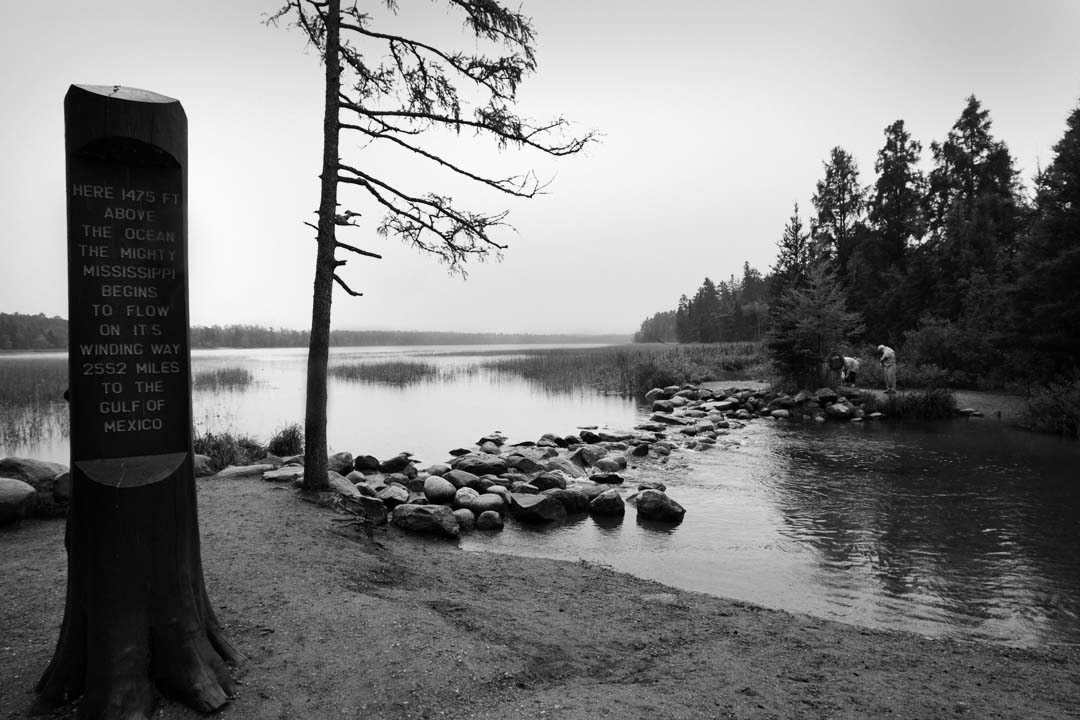
At this public gathering, talks and discussions will be held on and around Lake Itasca at Itasca Biological Station and Laboratories, University of Minnesota.
These events will host activities that share a concern with the ways in which humans have shaped the region’s environment with a focus on issues related to the headwaters of the Mississippi River to the Twin Cities.
The event begins with a one and a half day workshop organized by Water Bar on the colonial legacy of the Mississippi River, which will include kinship flag making, site visits to Line 3 and conversations with Indigenous and local activists. These workshops will be followed by public talks on and about Lake Itasca with researchers from Itasca Biological Station and laboratories at the University of Minnesota as well as introductions to the overall project by Bernd Scherer. Walking tours of Itasca State Park with Interpretive Naturalists will also take place after the public talks.
All events are free and open to the public, but there are limited spots available. Please RSVP with Sydney Petersen (speterse@macalester.edu) if you wish to join.
- Tuesday, Aug 27, 2019
11:30 am
Tour to Lake Itasca
Wilderness InquiryFive hour drive to Lake Itasca with Shanai Matteson and Graci Horne. En route, we will visit the Mille Lacs Indian Museum and Trading Post and the Leech Lake reservation. Planned by Water Bar.
- Wednesday, Aug 28, 2019
10:00 am - 12:00 am
Flag-making Workshop
ItascaWorkshop on kinship flags at Itasca
12:00 am - 2:30 pm
Site visit to Line 3
Line 3- Thursday, Aug 29, 2019
10:00 am - 11:00 am
Introductions to the Anthropocene River Project
Land acknowledgement statement, followed by introductory talks by Bernd Scherer and Joe Underhill
11:00 am - 11:30 am
Anthropogenic Wilderness
Presentations on the Itasca Biological Station and UMN research projects by Jonathan Schilling
1:00 pm - 3:00 pm
Walk and Discussion with Connie Cox
Meet naturalist Connie Cox who will lead a 1 mile tour of the headwaters, including cemetery and burial mounds. Tour concludes with an hour of discussion about the history of conservation.